

When it comes to a panel discussion, everything depends on the moderator. While they’re not easy to get right, there’s an art to doing a panel event well. For those that are moderating a panel for the first time, we’ve got all the wisdom that you’ll need to ace the job with our handy guide. We’ve put together the essential tips that you’ll need to deliver a dynamic panel discussion, with the help of three seasoned panel moderating colleagues. These tips have been tried and tested, so make sure you try them for yourself.
Do thorough research on the topic
To be a really good moderator, you need to fully understand the context. So, before the panel, go in-depth and get familiar with the topic. Don’t let anything surprise you. If applicable, review your speakers’ published pieces so that you can better relate to their arguments, or refer to their work during the panel discussion. Besides that, it’s good to be up-to-date on what’s trending in the industry. Scouring through Twitter, or reading a couple of new blog posts from influential people, can do no harm.

Meet the speakers before the panel
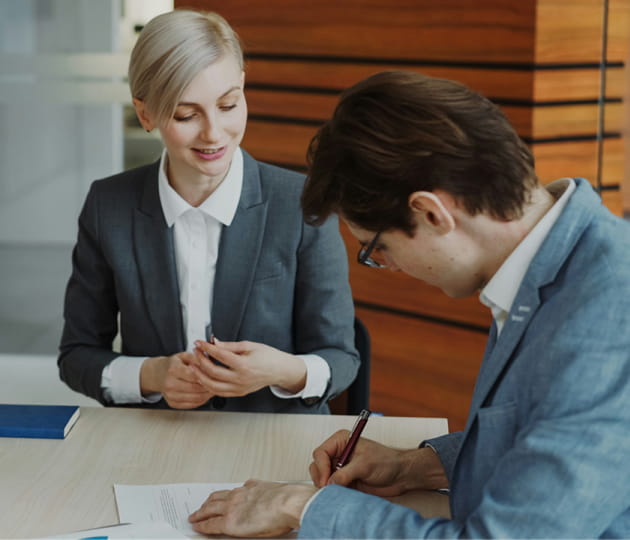
Hop on a prep call with all the speakers (or do individual calls) a week or two in advance, to discuss the flow of the panel discussion. Ask them about the perspective they’re planning to bring to the discussion. This will help you better understand their points and prepare more fitting questions. As our Brand and Communications Director and experienced facilitator, Kursha Woodgate, said: “Having some discussion beforehand helps the moderator to get some background on each of the participants and gives the conversation a more natural flow.” If the time, or packed calendars, don’t allow for it, meet at least on the day of the panel. A last-minute sync is still better than going live for the first time on stage
An outstanding conference delivering inspiring speakers valuable insights seamless organization and meaningful networking opportunities that exceeded expectations for every participant.
Roberto Martins
Manage time effectively
Always start on time and finish on time. Sounds easy, but with a tight schedule and talkative panelists, this can be quite a challenge. First, create a detailed agenda: set a realistic timeframe for your opening, introductions and your own questions, while taking into account the audience’s questions as well. Go through the agenda with the speakers before the panel discussion starts. Tell them how much time (approximately) they have for each answer and let them know that you’re going to interrupt them if they’re running behind.
Get inspired by keynote presentations and keep the clock counter visible, so both you and the panelists know how much time you have left.
Start with a powerful opening
A well-rehearsed and refined intro works like a teaser for the audience, and a kick-starter for the panelists. Our Head of Strategic Partnerships and a seasoned panel moderator, Juraj Pal, advises: “After I greet the audience, I share with them the goals of the panel and the reason why we decided to organize it. It helps to set the stage and context for both the audience and the speakers.”
Don’t be afraid to cut the panelists off
Panelists can easily get too absorbed in the conversation and hog the microphone. If this happens, you must tactfully cut them off in order to keep the panel discussion moving. Obviously, this can be tricky, because you don’t want to be rude or offend the speakers. “Setting expectations is really important here. Having met the panelists before the actual debate helps them to be more forgiving if you cut them short. This also helps build a little rapport to make you more comfortable doing this, and the panelists more likely to accept it,” noted Kursha.
Follow people’s sentence pattern and interject where necessary. “Go for gentle reinforcement statements such as, ‘So what you’re saying is…’, or pass the voice over to another panelist with, ‘Thank you, Mike. Jane, I know you have some experience here too…’. Subtle body language works magic as well. Try a hand gesture which looks like you want to contribute, or look the panelist in the eye and take a deep breath as if you want to say something,” advises Kursha.
